Lollypop Font: A Playful Choice for Creative Projects
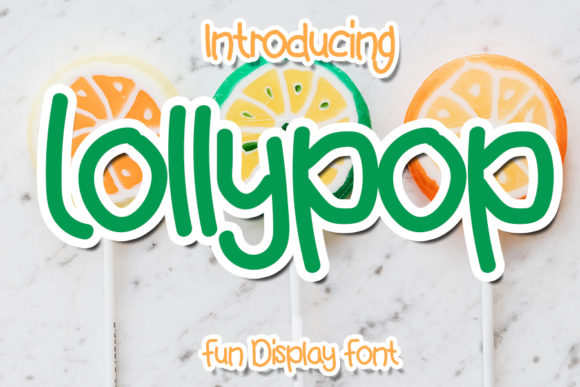
The Lollypop font is a charming and whimsical display typeface that brings a sense of fun and youthful energy to any design. With its round, bubbly letters and bright, eye-catching style, it's perfect for projects that aim to capture attention and spark joy. Whether you're designing a school poster, a children’s book, or a marketing campaign targeting younger audiences, Lollypop can add a unique flair that stands out from more traditional fonts.
What Is Lollypop?
Lollypop is a display font known for its playful and childlike appearance. The letters are rounded, with exaggerated curves and a friendly feel that makes them instantly recognizable. This font is often used in designs aimed at children or those that want to evoke a sense of nostalgia, innocence, or lightheartedness. It comes in various weights and styles, making it versatile for different applications, though it's most commonly used for headlines or short text elements rather than long paragraphs.
Its colorful nature is not limited to just the visual style but also extends to how it can be paired with other design elements. When used effectively, Lollypop can enhance the overall aesthetic of a project by creating a cohesive and engaging visual experience.
Why Different Audiences Care About Lollypop
While Lollypop may seem like a simple choice, its appeal varies across different groups of users. For example, educators might find it useful for classroom materials or educational resources that need to be visually appealing to children. Marketers could use it in campaigns targeting families or younger demographics, while hobbyists and creators might appreciate its versatility in personal projects such as scrapbooking or custom illustrations.
Professionals, including designers and content creators, might consider Lollypop for branding efforts that require a unique and memorable identity. On the other hand, business owners looking to create promotional materials for kids' products or events could benefit from using this font to align their messaging with their target audience.
Beginners and Experienced Users
For beginners, Lollypop offers an accessible way to experiment with typography without needing advanced skills. Its bold and distinctive look makes it easy to stand out in a design, even for those who are just starting to learn about fonts and layout. Beginners can use it in simple projects like greeting cards, social media posts, or digital banners.
Experienced users, however, may explore more complex applications, such as integrating Lollypop into larger design systems or combining it with other fonts to create dynamic typographic hierarchies. They might also focus on optimizing its use in print and digital formats to ensure readability and visual impact.
Creators and Entrepreneurs
Creators and entrepreneurs often seek fonts that can help them express their brand personality. Lollypop can be an excellent choice for startups or businesses aiming to convey a fun, approachable image. It works well for logos, packaging, or website headers where a playful tone is desired.
Entrepreneurs might also evaluate Lollypop based on cost and licensing. Since many free and paid versions are available online, they can choose options that fit their budget while still maintaining quality and reliability. Creators may prioritize flexibility, ensuring that the font can be adapted to different sizes and mediums without losing its charm.
Educators and Students
Educators often look for tools that can make learning more engaging. Lollypop can be used in classroom posters, presentations, or interactive activities to grab students’ attention and encourage participation. Its cheerful appearance helps reduce the stress associated with learning, especially for younger children.
Students and teachers alike may appreciate the font's ability to simplify complex ideas through visual appeal. It can be particularly useful in subjects like art, design, or language learning, where creativity and expression play a key role.
Consumers and Hobbyists
Consumers who enjoy DIY projects, crafts, or personal branding might find Lollypop to be a fun and creative addition to their toolkit. Whether it's for custom T-shirts, handmade cards, or digital art, this font allows for self-expression in a way that feels both personal and professional.
Hobbyists may value the font's ease of use and availability. Many free versions are accessible through online platforms, allowing users to try it out before committing to a purchase. Its versatility also means it can be used across multiple projects, making it a valuable asset for those who enjoy experimenting with design.
Practical Examples of Using Lollypop
Here are some practical examples of how different audiences might use Lollypop:
- Marketers: Use Lollypop in advertisements for children’s toys or family-oriented events to create a warm and inviting atmosphere.
- Designers: Pair Lollypop with a sans-serif font for headings and body text in web layouts to balance playfulness with readability.
- Teachers: Incorporate Lollypop into classroom signage or activity sheets to make learning more enjoyable for students.
- Entrepreneurs: Apply Lollypop to product packaging or social media visuals to build a brand that feels approachable and fun.
- Hobbyists: Experiment with Lollypop in personal blogs, scrapbooks, or custom artwork to add a unique touch to their creations.
Each of these scenarios highlights how Lollypop can be tailored to meet specific needs, whether it's for commercial use, education, or personal expression.
In summary, Lollypop is more than just a font—it's a creative tool that can enhance the visual storytelling of any project. By understanding its strengths and limitations, users can make informed decisions about whether it fits their goals and how best to apply it in their work.