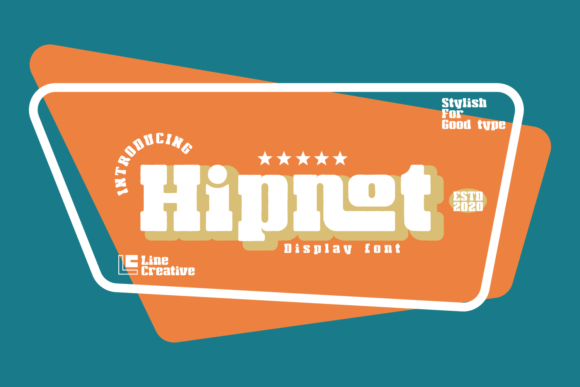
Hipnot: A Vintage Display Font for Modern Design Workflows
Hipnot is a heavy display font that brings a touch of vintage style to contemporary design projects. Its bold, stylized characters make it ideal for headlines, logos, and other visual elements where impact and personality are essential. Whether you're designing a brand identity, creating marketing materials, or working on a creative project, Hipnot can elevate your work with its unique aesthetic.
Understanding Hipnot and Its Role in Design
As a heavy display font, Hipnot is designed to stand out. It features thick strokes, rounded edges, and a retro-inspired look that evokes the feel of old-timey typography. This makes it especially suitable for projects that aim to convey nostalgia, authenticity, or a sense of history.
In the broader design process, Hipnot fits into the phase where visual hierarchy and branding come into play. It's not meant for long blocks of text but rather for short, impactful statements. Think of it as the exclamation mark in your design toolkit — something that grabs attention and leaves a lasting impression.
When to Use Hipnot in Your Workflow
Hipnot can be integrated at various stages of your design workflow. Here’s how it might fit:
- Pre-Design Phase: When brainstorming concepts or choosing a visual direction, consider Hipnot as a potential asset. It can help define the tone and mood of your project from the start.
- During Design: Use Hipnot for key visual elements like headlines, call-to-action buttons, or logo designs. Its bold nature ensures it stands out against lighter typefaces.
- Post-Design Review: When finalizing a design, check if Hipnot contributes to the overall message. Does it enhance readability? Does it align with the intended emotion or theme?
By considering Hipnot early in the process, you ensure that it complements the rest of your design rather than clashing with it.
How Hipnot Interacts with Other Tools and Resources
Hipnot works well with a variety of tools and resources commonly used in design workflows. For example:
- Graphic Design Software: Hipnot is compatible with major platforms like Adobe Photoshop, Illustrator, and InDesign. You can easily import it as a font file and apply it to text layers.
- Web Development: If you're using Hipnot for web projects, ensure it's properly embedded or linked via Google Fonts or another font service. Keep in mind that heavy fonts may affect page load times, so optimize accordingly.
- Typography Pairings: To maintain balance, pair Hipnot with a complementary sans-serif or serif font for body text. This contrast helps guide the viewer's eye and improves legibility.
When integrating Hipnot into your workflow, also consider the context in which it will be viewed. Will it be on print, digital screens, or mobile devices? Each medium has different requirements for font rendering and readability.
Practical Implementation Tips
To get the most out of Hipnot, follow these practical tips:
- Start with Purpose: Before applying Hipnot, ask yourself what role it should play in your design. Is it for emphasis, branding, or storytelling? Clarifying its purpose helps avoid overuse.
- Test Different Weights and Sizes: Experiment with varying sizes and weights to see how Hipnot behaves in different contexts. Sometimes, a slightly smaller size can add elegance without sacrificing impact.
- Use with Caution: Because it's a heavy font, use it sparingly. Overusing it can lead to visual clutter and reduce the effectiveness of your message.
- Ensure Readability: Even though Hipnot is visually striking, ensure that it remains readable. Avoid using it in small sizes or low-contrast environments where it might become difficult to read.
These tips help you implement Hipnot effectively while maintaining a clean, professional look across all your projects.
Workflow Examples and Observations
Here are a few examples of how Hipnot can be used in real-world scenarios:
- Brand Identity: Use Hipnot for your company name or tagline in a logo. Its vintage style can help establish a nostalgic or classic brand image.
- Marketing Materials: Apply Hipnot to headlines in brochures, flyers, or posters. It adds visual interest and draws attention to key messages.
- Website Design: Incorporate Hipnot into hero sections or navigation menus. However, keep it limited to areas where it won’t overwhelm the user experience.
- Print Projects: Hipnot is excellent for printed materials like business cards, invitations, or packaging. Its boldness translates well to physical media.
Observing how Hipnot performs in these situations can provide insights into its versatility and limitations. It’s important to continually assess whether it enhances or detracts from your design goals.
Factors to Consider for Long-Term Use
When planning to use Hipnot regularly, consider the following factors:
- Consistency: Maintain consistency in how you use Hipnot across different projects. This helps build a cohesive visual language and reinforces brand recognition.
- Compatibility: Ensure that Hipnot is compatible with all the tools and platforms you use. Some fonts may not render correctly on certain devices or software versions.
- Quality Control: Always use high-quality font files to avoid issues like jagged edges or poor scaling. Poorly rendered fonts can negatively impact the professionalism of your work.
- Organization: Store your fonts in an organized manner, making it easy to access and apply them when needed. This helps streamline your workflow and reduce time spent searching for assets.
By addressing these factors upfront, you can integrate Hipnot smoothly into your long-term design practices without encountering unnecessary obstacles.
Conclusion
Hipnot is more than just a font — it's a tool that can enhance your design workflow when used thoughtfully. Its vintage style and bold character make it a valuable addition to any designer’s repertoire. Whether you're working on branding, marketing, or creative projects, Hipnot offers a unique way to add visual interest and personality to your work. By understanding how and when to use it, you can leverage Hipnot to create compelling, effective designs that stand out in today’s competitive landscape.